A collection of historic records, maps, and manuscript documents relating to the formation and dissolution of the Kingdom of the Happyland, a post-emancipation African American community.
Language
English
Subject
The Kingdom of the Happy Land, emancipation, freedpeople, Southern Appalachia, Zion's Travelers
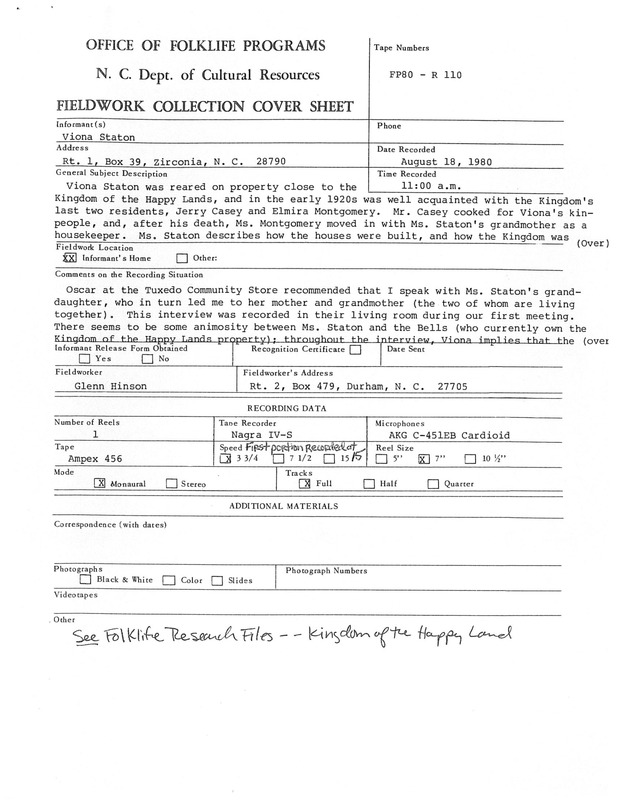
These oral history interviews were recorded in 1980 about the Kingdom of the Happy Land. None of the narrators was directly affiliated with the Kingdom. Some of the information they offer is from direct recollection, but much of it is hearsay and speculation. To listen to the recordings, contact the State Archives of North Carolina. Content warning: While the narrators describe the members of the Kingdom positively, some of them use racist slurs.
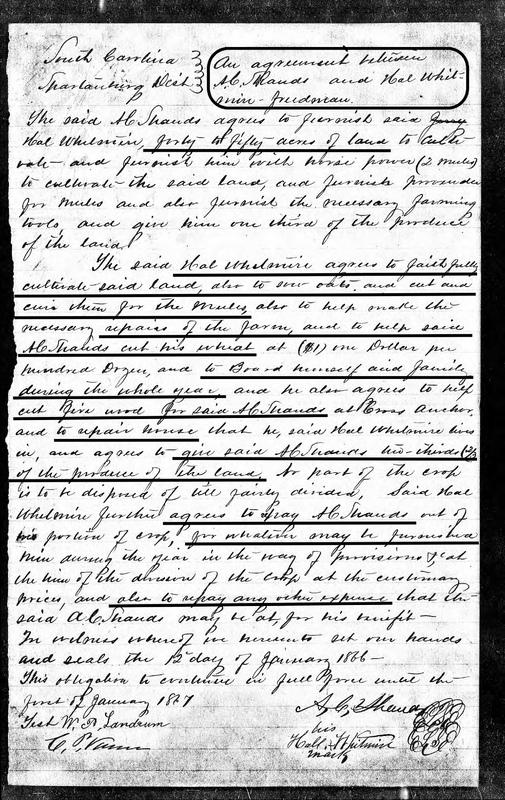
This work contract between Hal Whitmire and A.C. Shands stipulates that Shands will provide Whitmire with 40 acres, mules, and tools for Whitmire to cultivate for one year. In return, Whitmire agrred to give Shands 2/3 of what the land produced during that time, keeping 1/3 for himself to sell. The contract also stipulates that Whitmire must grow oats for the mules, as well as help Shands harvest his wheat, and cut firewood for him in Cross Anchor.
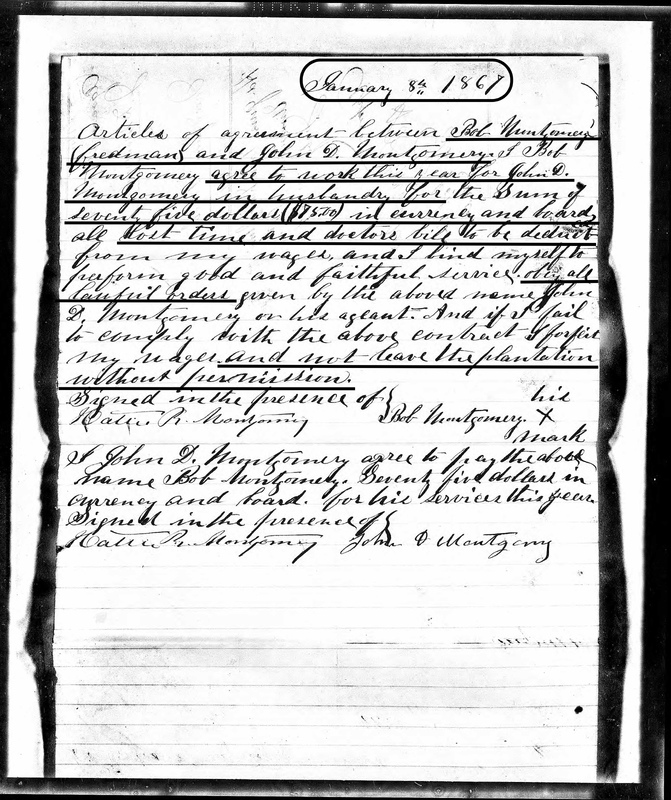
A work contract between Robert Montgomery and his former enslaver, John D. Montgomery. The contract stipulates that John D. Montgomery will provide Robert Montgomery $75 plus board, minus any medical expenses or missed work days, after one year of Robert Montgomery's labor in animal husbandry. The contract also stipulates that Robert Montgomery is bound to stay at John D. Montgomery's plantation, unless given permission to leave, and to obey all his orders.
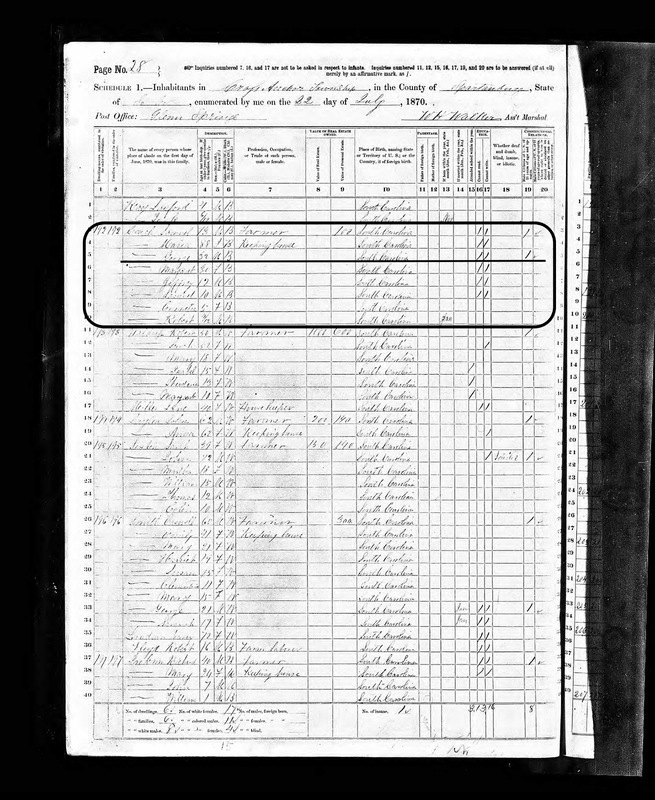
George Couch as he is listed on the 1870 census, living in the household of Samuel and Maria Couch, in Cross Anchor, South Carolina. Also listed in this household are Margaret, Jeffrey, Samuel, Cornelia, and Robert Couch.
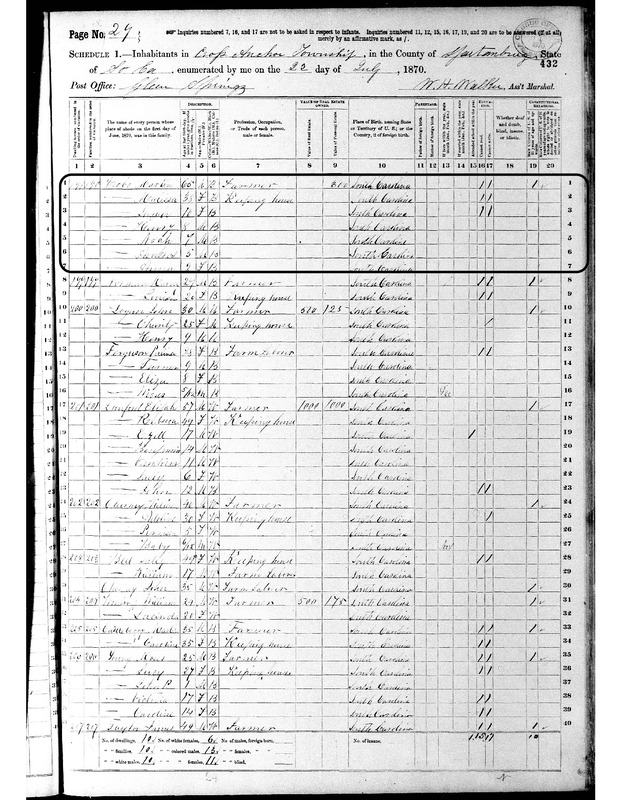
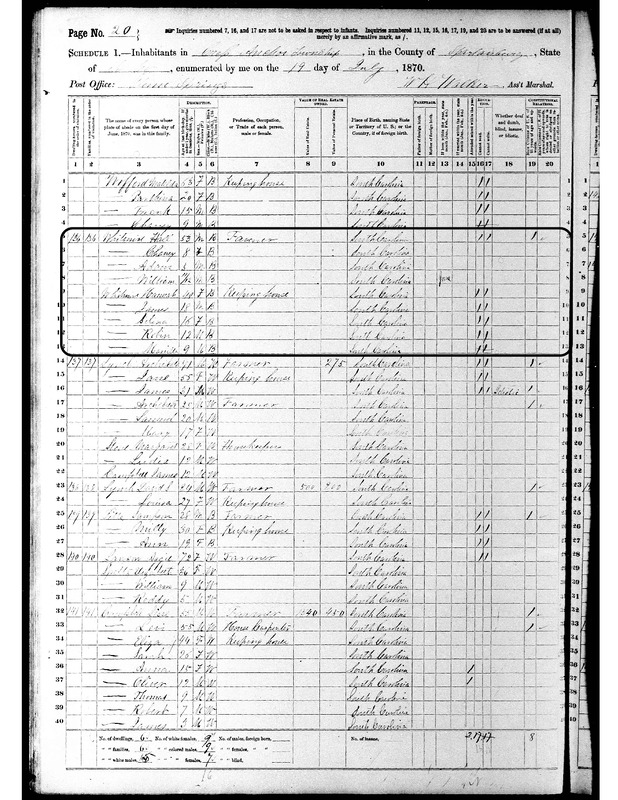
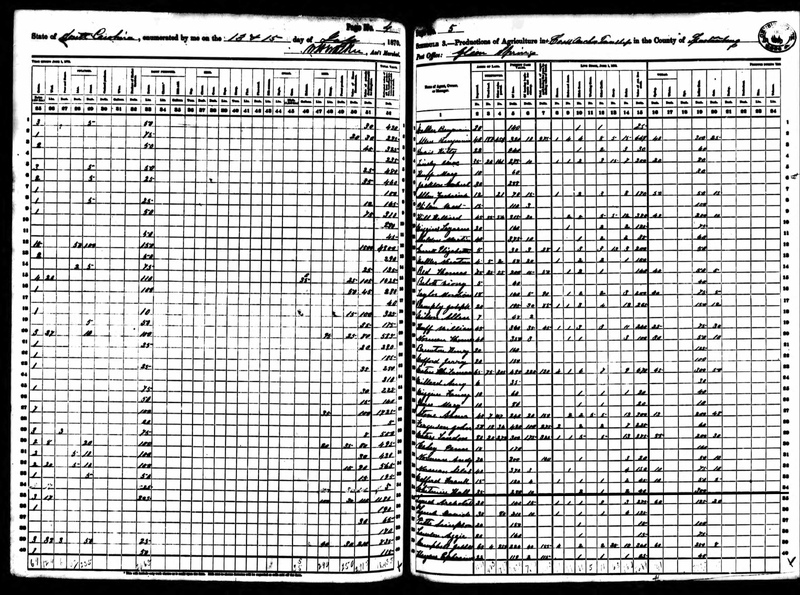
The household of Hal and Hannah Whitmire as it was enumerated on the 1870 census, in Cross Anchor Township, South Carolina. Also listed as a part of their household are Chaney, Adam, William, James, Silina, Robin, and Marcilla Whitmire.
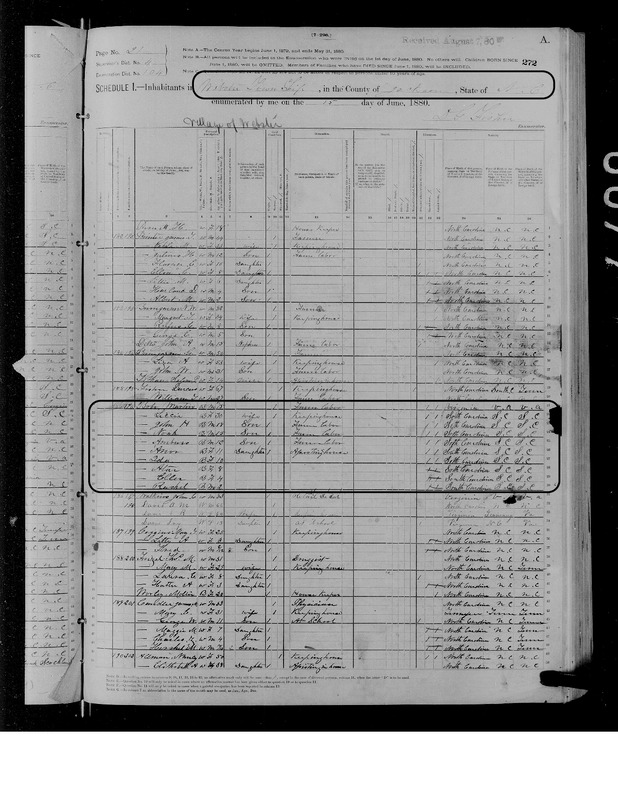
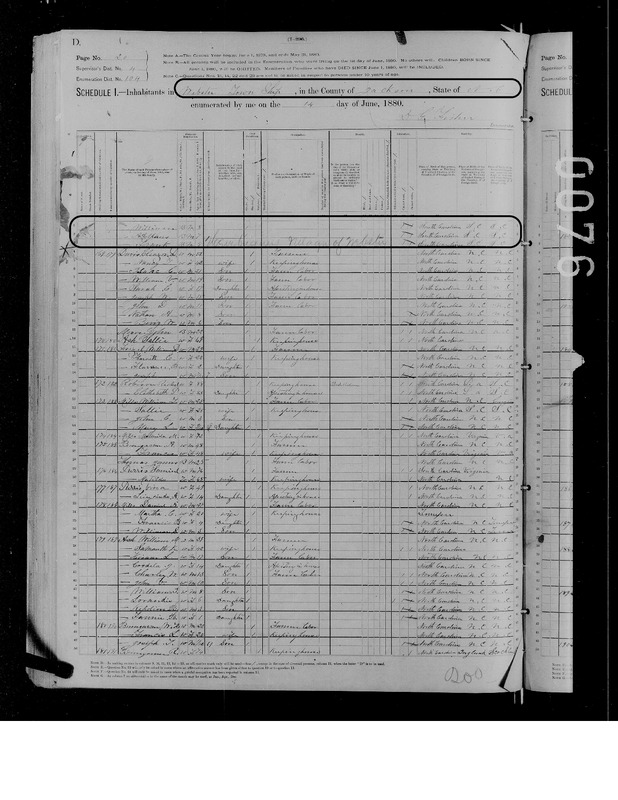
The household of Hal and Hannah Whitire as it was enumerated on the 1880 census, in Webster Township, Jackson County, North Carolina. The household is divided between two pages on the census. Also listed in this household are Chaney, Adam, Mary, William, Adolphus, and Frank Whitmire.
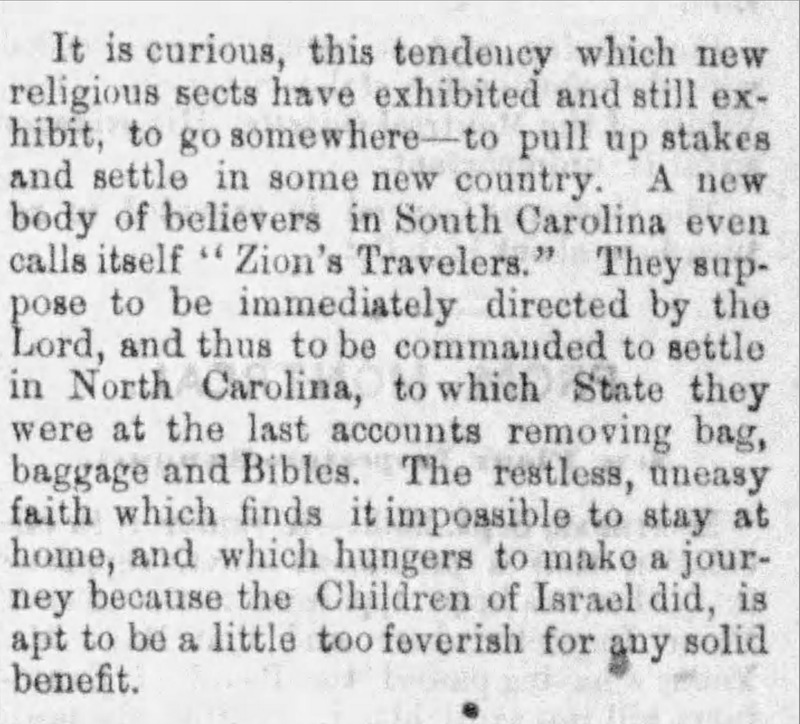
This article, published in Ontario, Canada, takes a different approach by omitting references to emancipation or race. It focuses on the founders of the Kingdom of the Happy Land spiritual pilgrimage. The article emphasizes the group’s religious fervor, positioning them within a growing phenomenon of religious enthusiasm. Notably, it correctly identifies North Carolina as their intended destination.
This is a decorative map of North Carolina and South Carolina that was first published during the Civil War. It is hand-colored by counties and includes an inset plan of Charleston Harbor. The map shows various details such as towns, roads, railroads, rivers, mountains, swamps, and islands. It also includes some parts of Georgia, Virginia, Tennessee, and Kentucky.
The household of Matin and Liccie Bobo is listed on the 1880 census in Webster Township, Jackson County, North Carolina. Also listed in this household are John H., Noah, Ambros, Ann, Ida, Atar, Ellen, and Rushel Bobo.
The household of Martin and Malissa Bobo as it was listed on the 1870 census in Cross Anchor, South Carolina.
Township, South Carolina. Also in their household are Sarah, Henry, Noah, Ambros, and Anna Bobo.
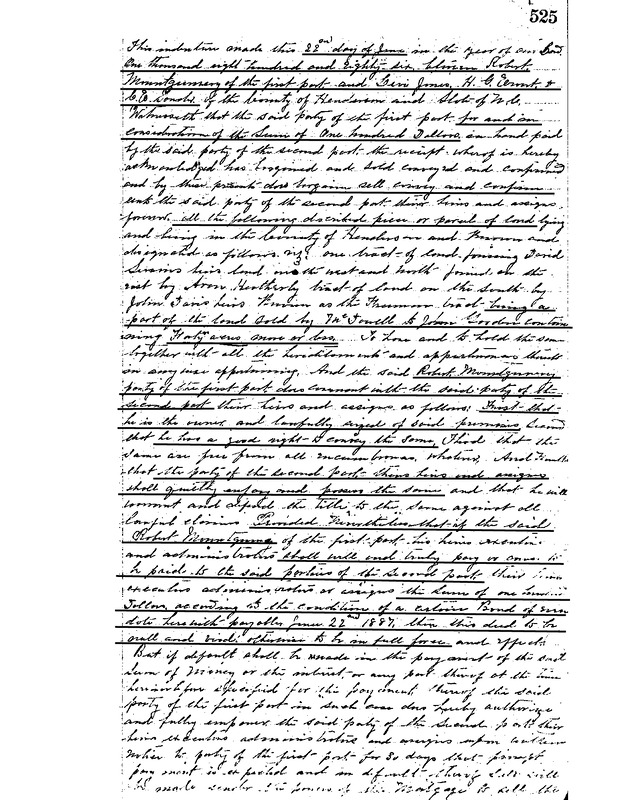
Robert Montgomery mortgaged 40 acres to Levi Jones, H.G. Ewart, and C.E Sanders for $100. The mortgage was to have been repaid with interest by June 22, 1887. If the loan was not repaid within 30 days of this deadline, the land was to have been advertised at the courthouse and sold. Robert Montgomery was to get any money remaining after payments to creditors for principal, interest, and “all costs and charges.” It is not clear what the interest rate was. Robert Montgomery died in late 1886 or early 1887, purportedly after a long illness, which may have been the reason he needed to take out this mortgage.
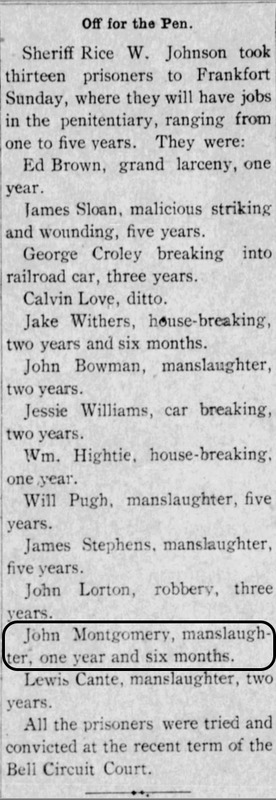
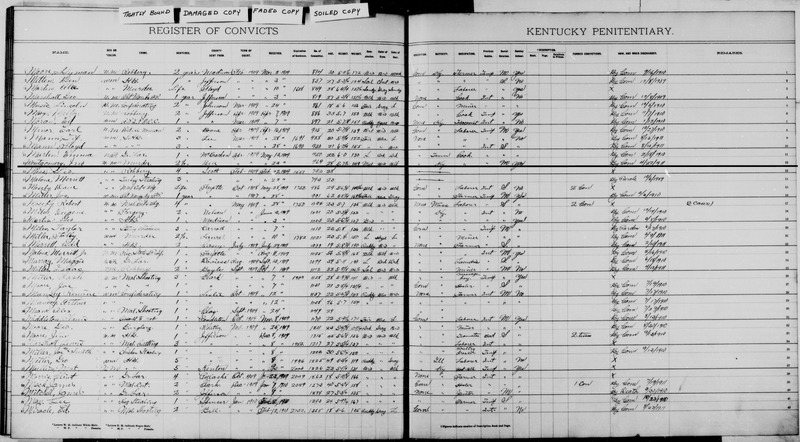
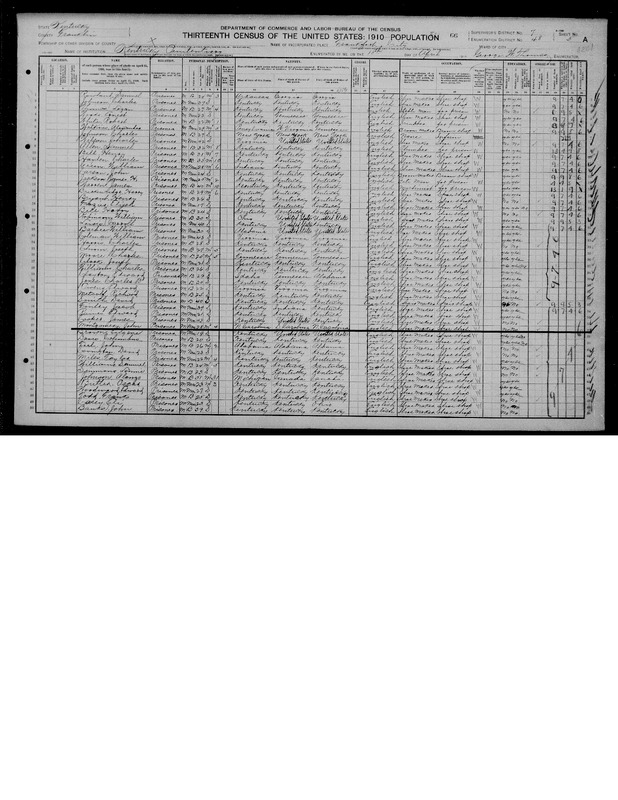
John Montgomery is named in a list of men and their criminal convictions who had all been tried in the recent session of the Bell County Circuit Court.
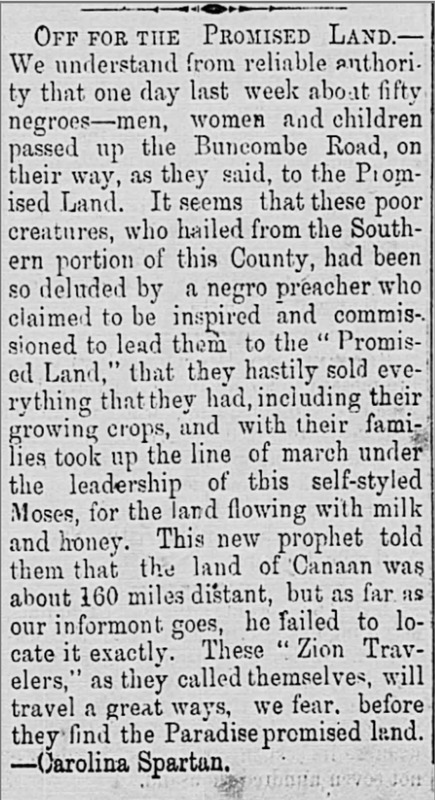
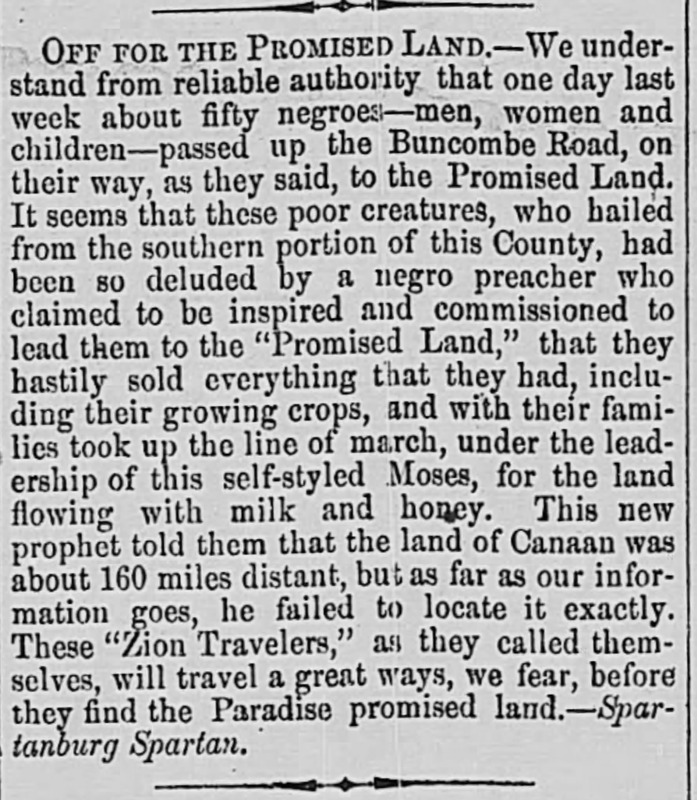
This article, reprinted verbatim across multiple newspapers, describes the founders of the Kingdom of the Happy Land as followers of a "negro preacher" who convinced them to sell all their possessions. The group is portrayed as gullible and easily manipulated. The article mentions they are traveling "the Buncombe Road" toward a destination 160 miles away, but does not specify the location.
This article, reprinted verbatim across multiple newspapers, describes the founders of the Kingdom of the Happy Land as followers of a "negro preacher" who convinced them to sell all their possessions. The group is portrayed as gullible and easily manipulated. The article mentions they are traveling "the Buncombe Road" toward a destination 160 miles away but does not specify the location.
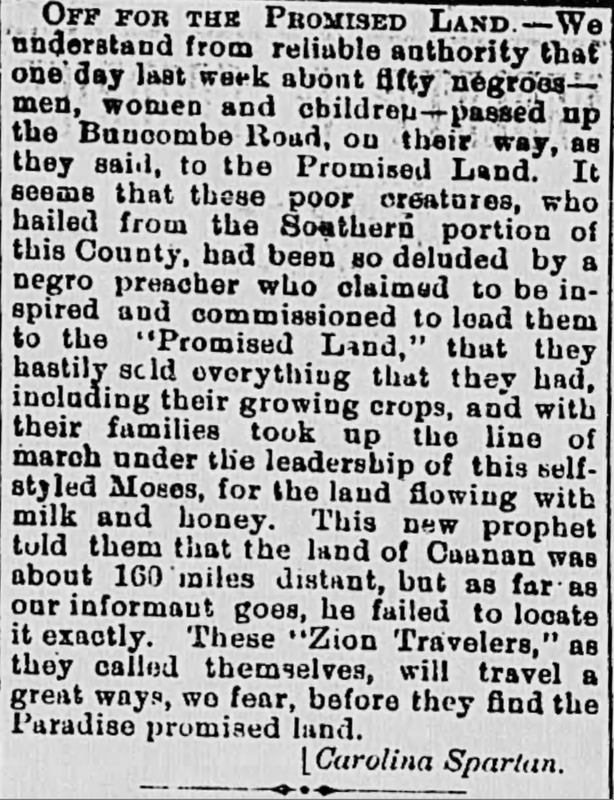
This article, reprinted verbatim across multiple newspapers, describes the founders of the Kingdom of the Happy Land as followers of a "negro preacher" who convinced them to sell all their possessions. The group is portrayed as gullible and easily manipulated. The article mentions they are traveling "the Buncombe Road" toward a destination 160 miles away but does not specify the location.
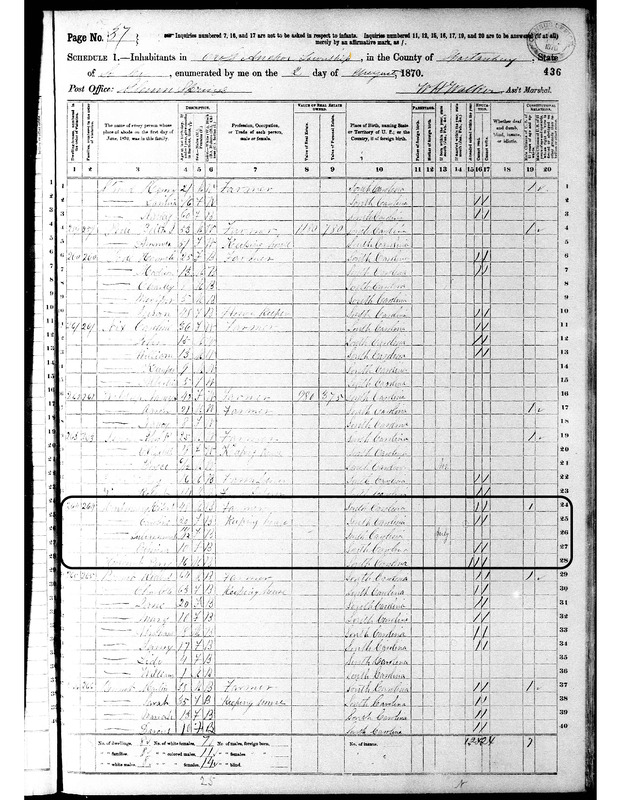
The household of Robert and Caroline Montgomery as it is enumerated on the 1870 census in Cross Anchor Township, South Carolina. Also lited in this household are Juliannah and Elmira Montgomery; and Perry Holcomb.


![Johnson's North Carolina and South Carolina [with inset of Charleston Harbor]](https://blueridgearchive.org/files/large/40abfa8edc0dcbbeb7d748a5fa2a035257ef8e45.jpg)